
Lakeville, Minnesota, continues to experience dynamic shifts in its real estate market, reflecting broader trends and local developments. Understanding these changes is crucial for prospective buyers, sellers, and renters aiming to make informed decisions.
Current Market Trends
As of early 2026, Lakeville’s housing market exhibits a blend of stability and subtle fluctuations. The median sale price for homes stands at approximately $450,000, marking a 4.3% decrease compared to the previous year. Homes typically remain on the market for about 37 days before being sold, indicating a steady demand. Additionally, the average home value in Lakeville is reported at $489,773, reflecting a modest 0.7% increase over the past year. These figures suggest a market that, while experiencing slight adjustments, maintains overall resilience.
Rental Market Dynamics
The rental sector in Lakeville mirrors the stability observed in home sales. The average rent is approximately $1,974 per month, aligning closely with the national average. This consistency offers renters a predictable market environment, with slight year-over-year changes indicating a balanced supply and demand.
New Developments and Community Growth
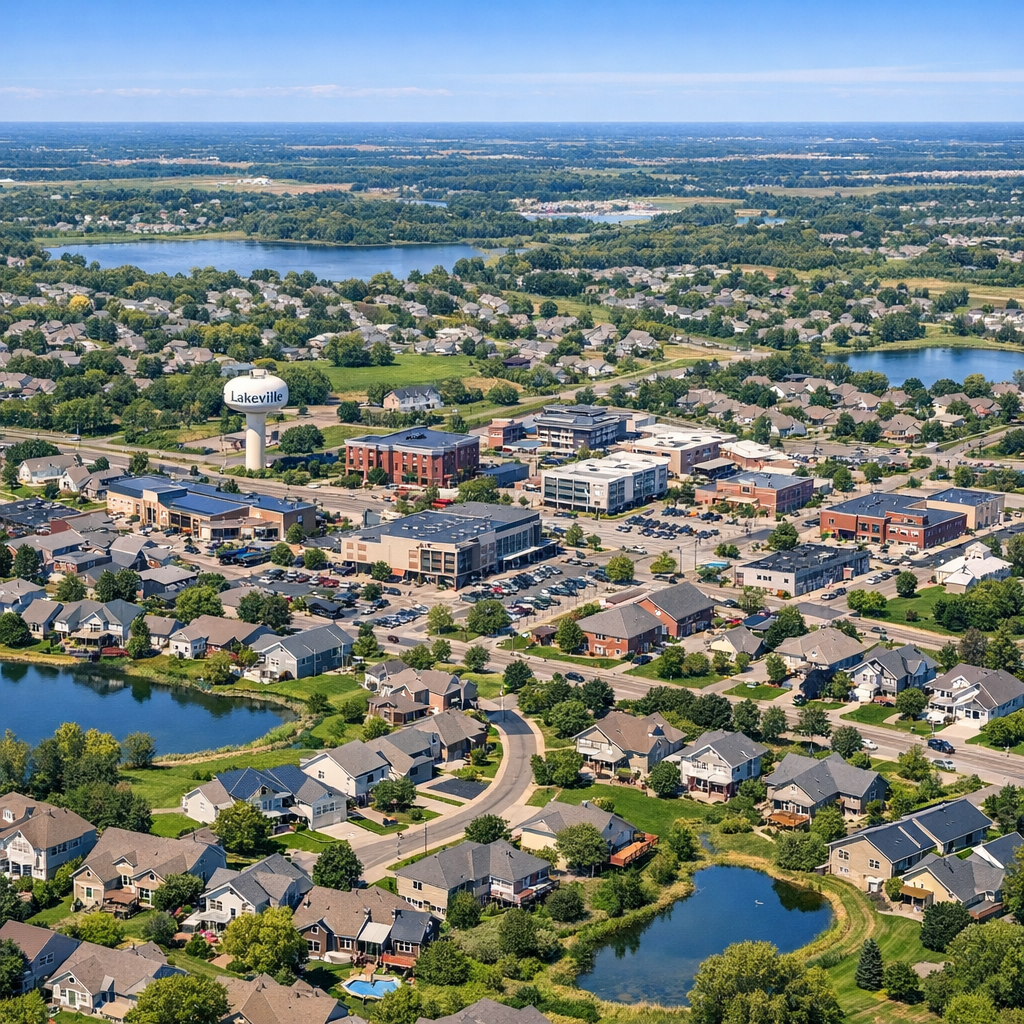
Lakeville’s growth is further evidenced by its expanding commercial and residential developments. The city’s historic downtown, particularly along Holyoke Avenue, has seen a surge in new dining and entertainment establishments since 2016. This revitalization enhances the community’s appeal, attracting more residents and boosting property values. The collaborative efforts between local entrepreneurs and supportive city policies have been instrumental in this transformation, fostering a vibrant and welcoming atmosphere.
Conclusion
Lakeville’s real estate landscape is characterized by a stable housing market, a consistent rental environment, and ongoing community development. For those considering buying, selling, or renting in Lakeville, staying informed about these trends is essential. Engaging with local real estate professionals and community resources can provide valuable insights, ensuring decisions are well-aligned with the current market dynamics.